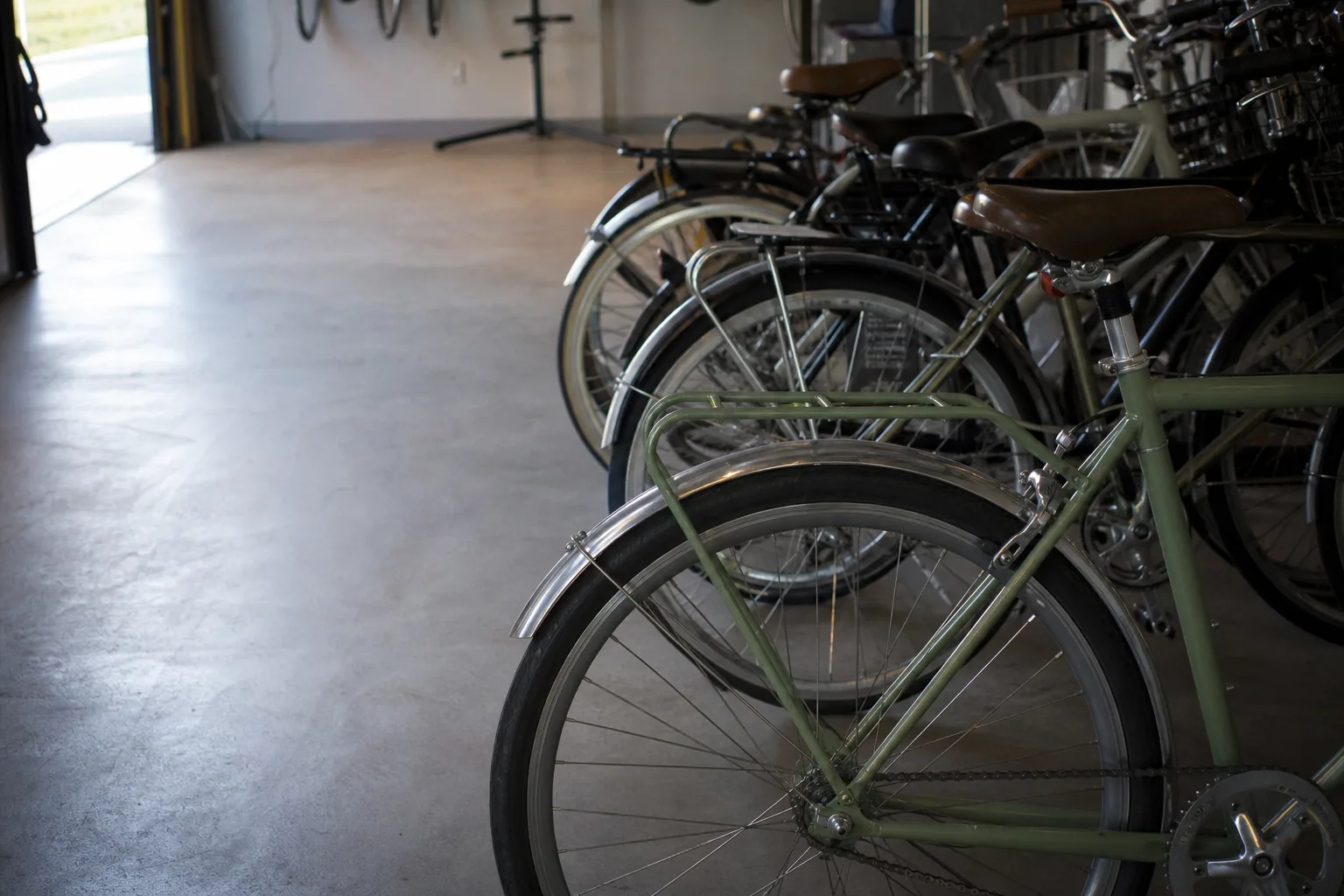
Two upright bikes sitting side by side in a shop, one at the bottom of the range and one four hundred dollars up, look almost identical from six feet away. Same swept bar, same padded saddle, same relaxed reach to the grips. The difference is distributed across a dozen parts, most of them small, and almost none of it is visible until the bike has been ridden for an hour or has sat outside through a wet winter. What follows is where that money tends to land, in the order it matters for short errand riding.
1. Wheels, which absorb the largest share
The wheel is the part a budget spec quietly economizes on, because it is heavy, complicated, and hidden behind a tire. At the low step you generally get a machine-built wheel on a steel-flanged hub with loose ball bearings, tensioned quickly and unevenly, which is why a new cheap bike often needs truing within the first month. Four hundred dollars up buys sealed cartridge bearings, better rims, and a build that was checked by a person. A careful reader spins the wheel in the stand, watches the gap at the brake pad, and listens.
2. Brakes, where the lever tells you more than the caliper
Rim brakes and mechanical disc brakes both work fine for a bike that rarely exceeds fifteen miles per hour, so the label on the caliper is less informative than the feel at the lever. What rises with price is the quality of the cable, the housing, the pivot bushings, and the pad compound, all of which decide whether a light squeeze from a smaller hand actually stops the bike in the rain. The Consumer Product Safety Commission is responsible for the federal requirements that new bicycles sold here have to meet, which sets a floor, not a ceiling.
3. Drivetrain, where fewer and better beats more and worse
Cheap bikes advertise gear count because it is the one drivetrain number a shopper can read off a tag. For flat errands with a few bridges, a seven or eight speed setup that shifts crisply under load is worth more than twenty-one speeds that hesitate, and the internally geared hub found at the middle step shifts while stopped at a light, which matters more than range. The money buys indexing that holds its adjustment, a chain that lasts longer, and a bottom bracket with sealed bearings rather than an adjustable cup and cone.
4. Contact points, which are cheap enough to fix yourself
Saddle, grips, pedals, and tires are the four parts that decide whether the first hour feels like the fourth, and all four are replaceable for a fraction of the price gap. A saddle matched to your sit bone spacing, ergonomic grips that support the heel of the hand, wide platform pedals with grip tape, and supple tires in the widest size the frame clears will transform a bottom-step bike. This is the single most reliable way to spend a hundred and fifty dollars on comfort, and it works on almost any frame.
5. The used bike, and what a slow inspection reveals
A used mid-range bike is often the best value on the market, provided the inspection is unhurried. Check the chain for stretch with a gauge, look at the rear cog teeth for a hooked profile, rock each wheel side to side at the rim to feel hub play, and check the headset by holding the front brake and pushing the bike forward. Look for rust inside the seat tube and at the chainstay bridge, confirm the frame is straight by sighting from behind, and ride it around the block before any money changes hands.
6. Which upgrades beat buying up, and which do not
Tires, saddle, grips, pedals, and brake cables are worth doing on a cheap frame, because they carry over to the next bike and address exactly what makes short rides unpleasant. Wheels, forks, and drivetrains generally are not, since a new wheelset costs more than the price step you were trying to avoid. The honest dividing line is whether the part wears out or was simply chosen badly. Replace the badly chosen ones now, plan for the worn ones later, and buy the frame and wheels you intend to keep.
Spend an hour with a repair stand, a chain gauge, and a willingness to spin things slowly, and most of the difference between price steps becomes something you can see rather than something you have to take on faith.