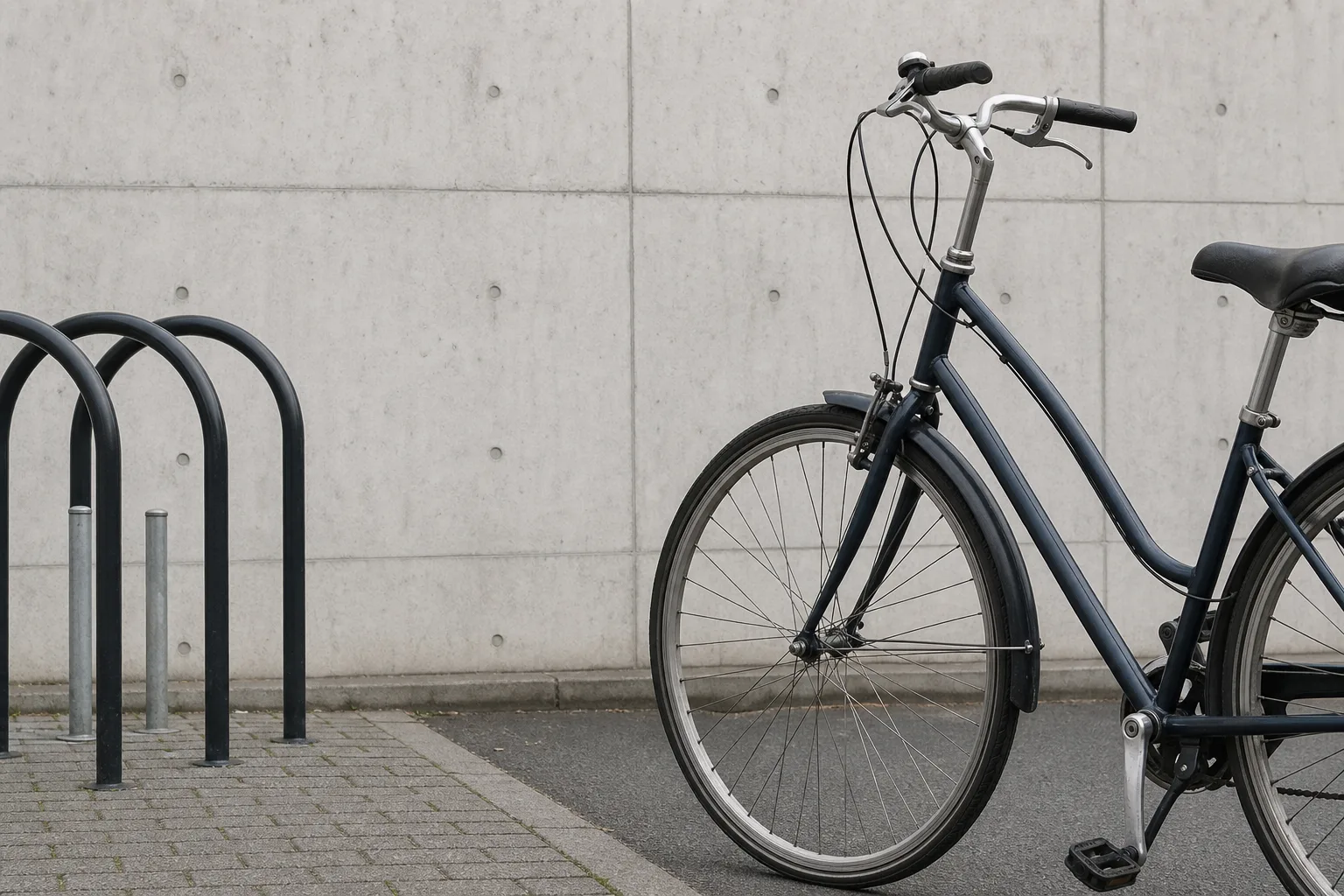
A relaxed-position bicycle carries you on three contact patches, and the proportions are not fixed by the frame so much as by four or five adjustments a shop can make in ten minutes. The saddle takes most of it, the pedals take some, and the hands take whatever is left over after the first two have been settled. The trouble is that the leftover share is the one that hurts first, and it grows quietly as the ride goes on, which is why a bike can feel excellent for the length of a parking lot loop and unpleasant forty minutes later.
Saddle height sets how much the legs carry
Height is the adjustment people get closest to right on their own, usually by feel, and it is also the one that quietly changes everything downstream. Too low, and the legs never fully take their share, so the sit bones absorb impacts the knees and ankles should have been absorbing, and the pedaling feels like squatting. Too high, and the hips rock side to side at the bottom of each stroke, which chafes rather than aches. The useful check is a slight bend at the knee with the heel on the pedal at its lowest point, verified while someone holds the bike, not while you guess at a stoplight.
Setback decides whether you fall forward onto your wrists
Fore-and-aft saddle position is the adjustment most riders never touch and the one that governs hand pressure more than any other. Slide the saddle forward and your center of mass moves ahead of the sit bones, so your arms become a prop rather than a steering connection, and the pressure lands in the base of the palms. Slide it back and the pelvis sits behind the pedals, the torso hinges from the hip instead of collapsing onto the bars, and the hands are free to rest. A careful reader checks this by riding a level stretch and briefly lifting both hands a half inch. If the torso drops, the load was on the bars.
Stem rise and reach handle the rest
Once the saddle is settled, the handlebar has one job: to arrive where your hands already are. Rise raises the grips, which rotates the torso back toward vertical and shifts weight rearward onto the sit bones; reach, meaning how far forward the bars sit, controls how much you stretch to meet them. Adjustable stems, taller steerer spacers, and swept-back bars each buy an inch or two, and on many upright bikes a shop can do the whole thing with parts already in a drawer. Getting the last half inch usually means a different stem, which is cheap, or a different bar, which is not much worse.
Reading the complaints in order
Symptoms map onto adjustments with more consistency than most riders expect. Numbness in the ring and little fingers, or a pins-and-needles feeling that arrives around the thirty minute mark, is nerve compression from sustained hand load, and the fix is almost always saddle setback first and bar height second, not thicker grips. A sore backside that shows up in the first ten minutes suggests a saddle too narrow for your sit bone spacing or tipped nose-up. Aching quads with an easy upper body usually mean a saddle set low. Sore neck with comfortable hands points at bars too high and too close, which is a real condition and not just a rumor.
Testing changes so the answer sticks
Change one thing at a time, ride the same forty-five minute route, and write down what moved and by how much, because memory for saddle position is worse than anyone believes. Millimeters matter at the saddle rail and centimeters matter at the bar, so mark the seatpost with tape before loosening anything. Give each change two rides before judging, since the first ride mostly registers novelty. The Consumer Product Safety Commission is responsible for federal bicycle requirements covering assembly and component safety, and a shop that follows them will also check that seatpost and stem insertion stay above the minimum marks after any adjustment.
Most bikes that feel wrong at the one hour mark are two adjustments away from feeling right, and both of them are free. The order matters more than the precision: get the height, then the setback, then bring the bar to the hands. Everything after that is grips and tire pressure.